Finding the source of the smell
We use odor tracing, moisture meters, and inspection cameras to find the carcass with as little wall opening as possible. Most jobs need only a small access hole that we patch afterward.
Droppings and nest cleanup
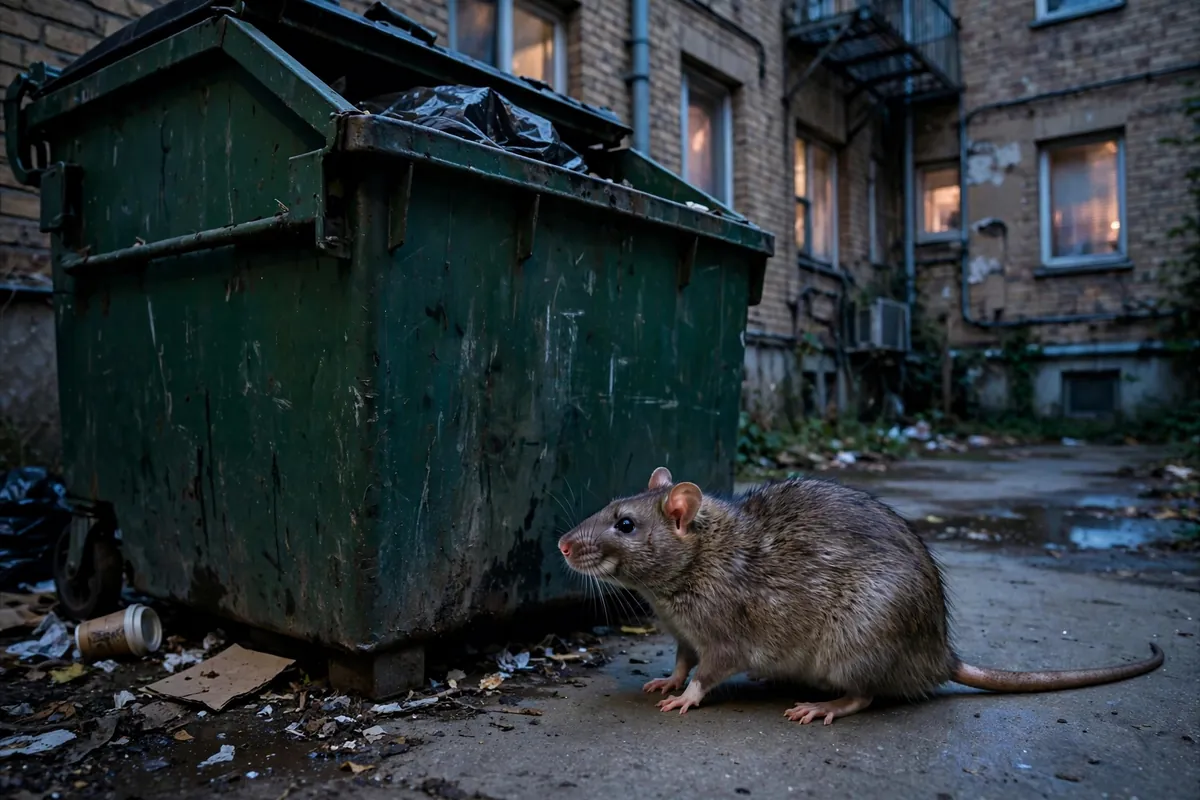
Rodent waste can spread hantavirus and other pathogens. Sweeping or vacuuming without protection puts particles into the air.
- Respirators, gloves, and sealed waste bags for every job
- Enzyme based disinfectant for droppings and urine
- Removal of soiled attic insulation when needed
- Odor neutralizing treatment and fogging
- Optional insulation replacement
Sanitation and prevention after removal
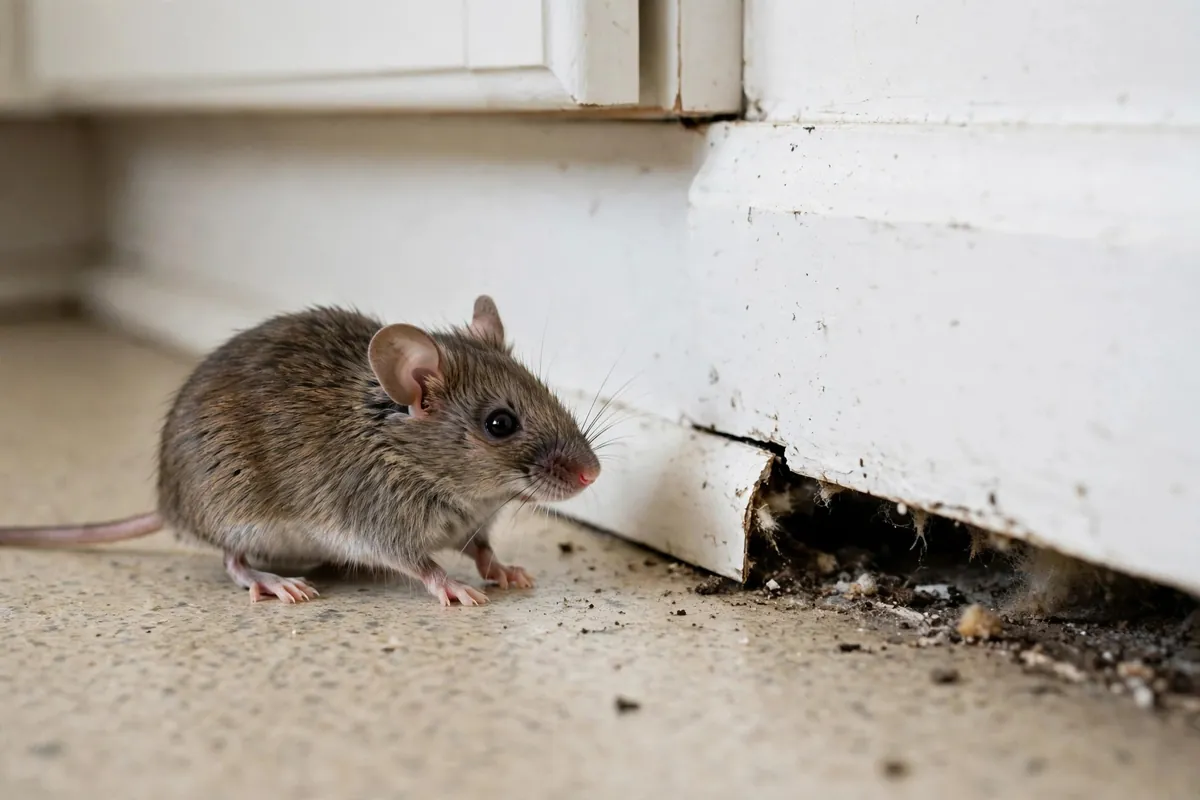
Safe removal starts with locating the source with as little opening as possible, then removing the carcass in sealed bags, disinfecting the area with an enzyme-based product, and treating odor at the source rather than masking it. Ventilation helps, but odor usually clears only once the source and contaminated material are removed.
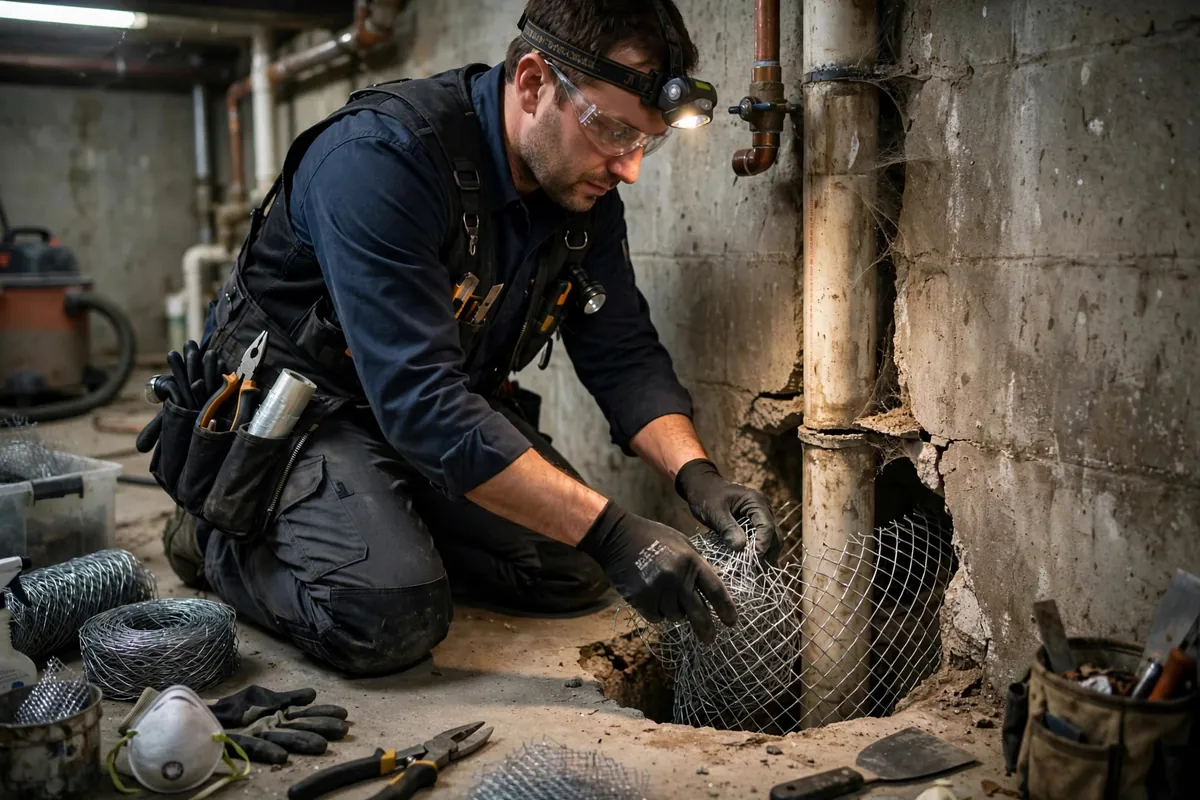
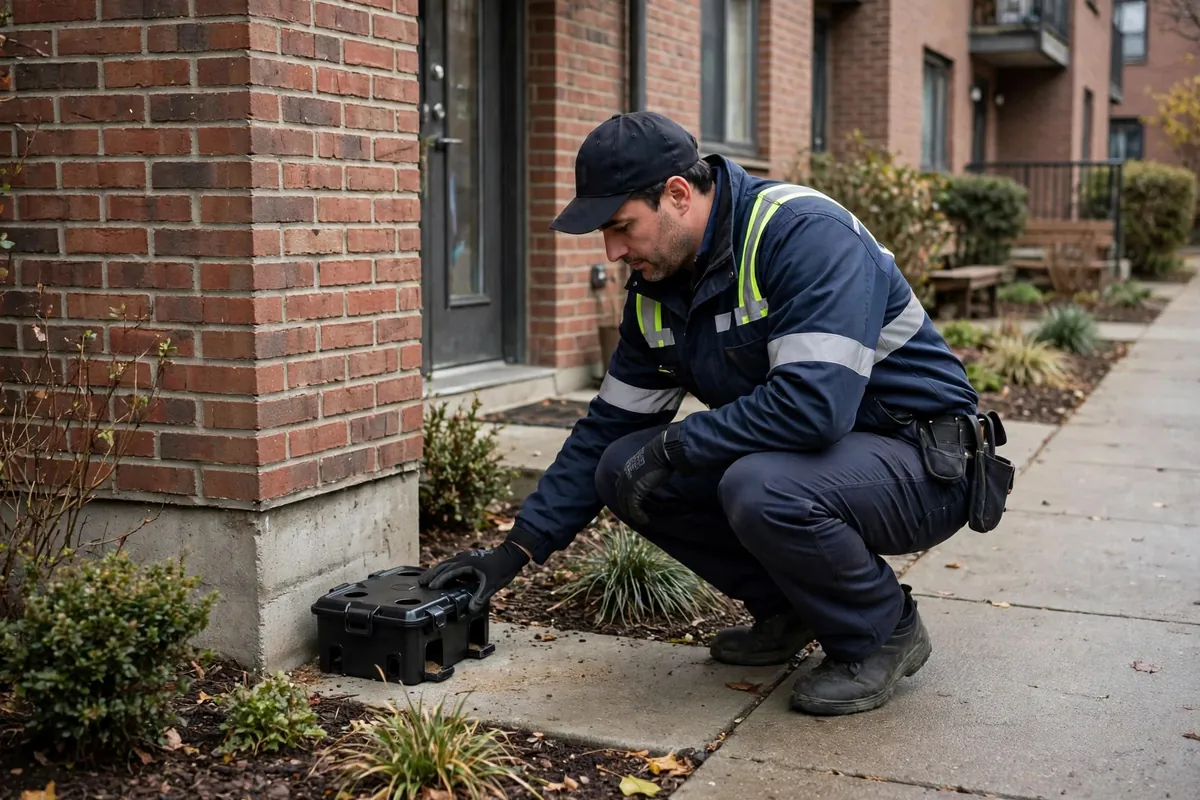
Prevention after removal means sealing the entry point the rodent used, checking nearby attic or wall insulation for droppings and nesting, and watching for flies or stains that point to a second carcass. If insulation is heavily soiled, removal and replacement is safer than trying to clean it in place.
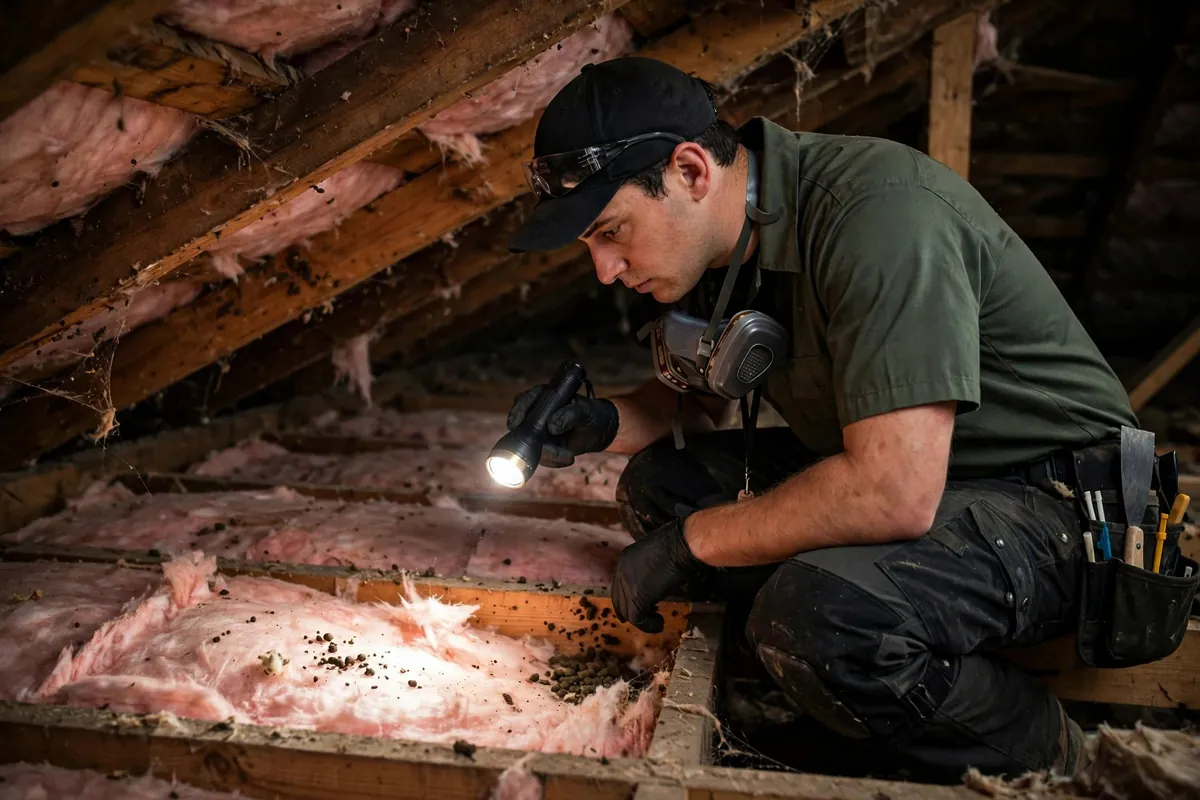
Dead Rodent Removal & Cleanup across Fort Lee neighborhoods
We provide dead rodent removal & cleanup in every part of town, including Coytesville, Palisade, Downtown Fort Lee, Linwood Park and Pleasant Valley. For a full overview of how we protect local properties, visit our rodent control Fort Lee page.